
Cholesterol gene editing: what early human studies have shown
Imagine treating high cholesterol with a single infusion that helps the liver keep LDL levels lower for years. Gene editing is moving that possibility into human research. Early studies have produced substantial reductions in blood fats, opening a new chapter in prevention—while leaving the long-term benefits and risks to be established.
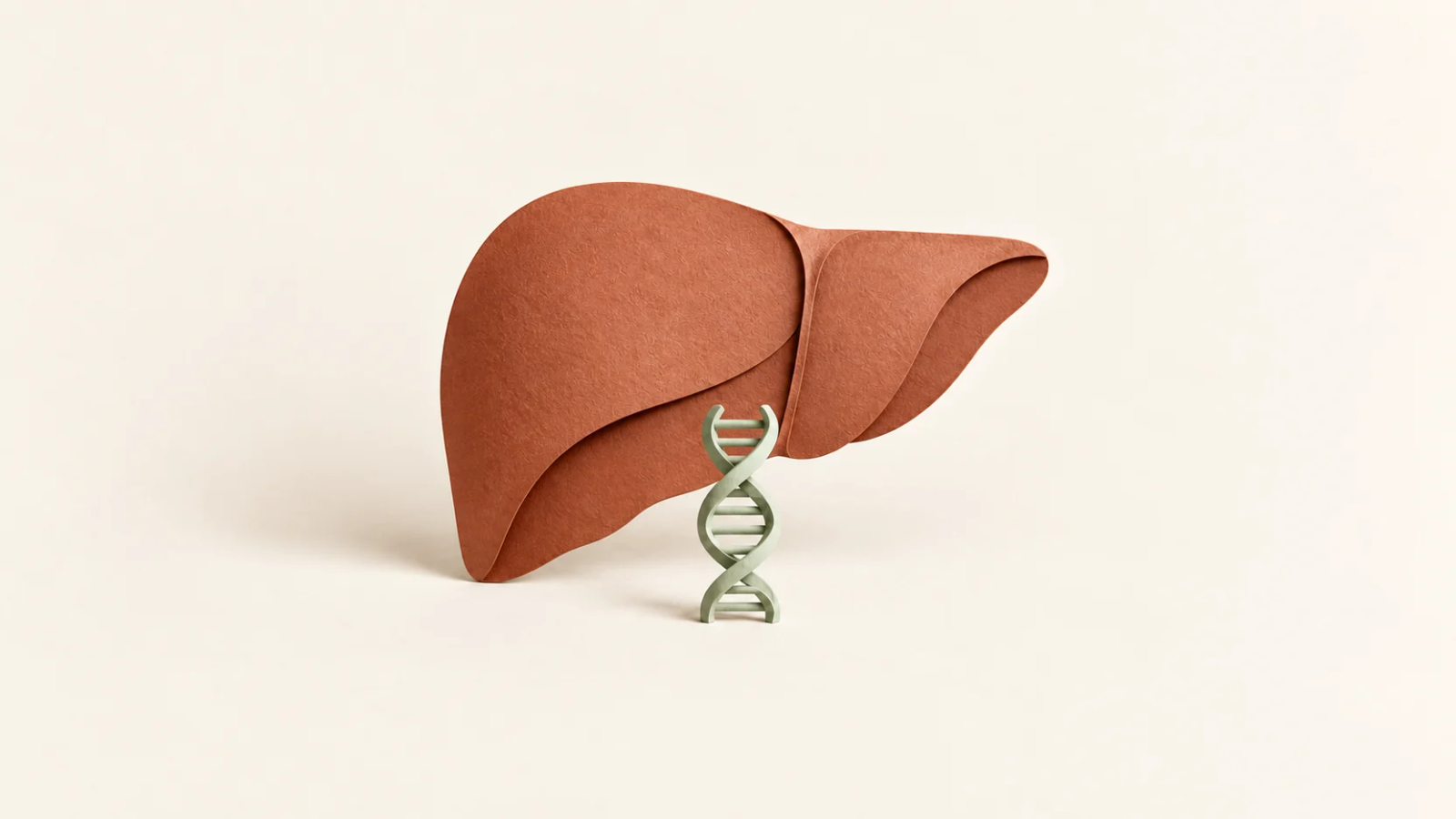
For many people with high cholesterol, prevention is a daily routine: take a tablet, renew the prescription and return for blood tests. Gene editing offers a striking possibility. Could one treatment help the liver keep harmful blood fats lower for years?
That question is now being tested in people. Two experimental treatments, VERVE-102 and CTX310, have produced substantial reductions in early studies. Their results show that editing liver cells can change cholesterol biology in humans. The next challenge is to turn that achievement into a treatment with lasting benefits and acceptable risks. [1] [2] [3]
Changing the liver’s instructions
The liver helps control the amount of cholesterol circulating in the blood. VERVE-102 targets a gene called PCSK9, which influences how efficiently the liver removes LDL cholesterol. Often called “bad cholesterol,” LDL contributes to the buildup of fatty deposits in artery walls.
VERVE-102 uses a base editor: a tool designed to change a single letter in DNA and switch off PCSK9 in treated liver cells. CTX310 takes a different approach. It uses CRISPR-Cas9 to disrupt ANGPTL3, a gene that influences both cholesterol and triglycerides, another type of blood fat. Both treatments use tiny particles made from fats to carry their editing tools into cells. [1] [2]
The inspiration comes partly from people born with genetic variants that naturally lower these proteins. Some have favorable cholesterol levels throughout life. Researchers hope to recreate part of that protection in adulthood. An infused treatment still needs its own safety evidence: being born with a variant and receiving an editor are different experiences for the body. [4] [12]
These treatments target cells in the person receiving them. They are not intended to alter the genes passed to future children. [5]
What the first studies found
In the 2026 VERVE-102 report, 35 adults received different doses. They had inherited high cholesterol, coronary disease at a young age, or both. In the seven people given the highest dose, LDL fell by an average of about 62% across the available follow-up measurements. Some participants in lower-dose groups had been followed for 18 months; that longer follow-up does not yet apply to the highest-dose result. [1]
CTX310 also produced large reductions. In an August 2026 update, the four people who received the highest dose had, on average, about 53% lower LDL and 48% lower triglycerides after one year. Responses differed considerably between individuals. [3]
These are substantial changes, especially for people whose blood fats remain difficult to control. But both studies were small, and neither randomly assigned people to gene editing or a comparison treatment. Participants also continued background lipid treatment. The percentages show what happened in those groups; they do not tell us which editor is better or what result another person should expect. [1] [2]
A lasting effect brings lasting responsibilities
A one-time treatment could reduce the burden of taking medicine for decades. Its permanence is also the reason to study it particularly carefully. A daily tablet can usually be stopped. A DNA edit cannot simply be withdrawn.
Researchers are watching for unintended genetic changes, immune reactions and delayed effects, as well as checking whether cholesterol stays lower. Follow-up for VERVE-102 is planned to extend to 15 years. That long view is essential; the first year or two cannot answer every question about a treatment intended to last much longer. [5] [7]
Early safety findings include reactions during infusion and temporary increases in liver enzymes. Serious medical events also occurred, including a hospitalization in the VERVE-102 study and a death during CTX310 follow-up; investigators judged those events unrelated to treatment. Larger studies are needed to understand uncommon risks that a few dozen participants cannot reveal. [1] [2] [3]
The delivery system matters as well as the edit. A predecessor, VERVE-101, had enrollment paused after liver-enzyme and platelet abnormalities. VERVE-102 uses a different carrier, so the earlier experience is relevant to development without being a safety finding about the same product. [6]
From a lower blood test to a healthier life
Lowering LDL is already a well-established way to reduce cardiovascular risk. For a new, lasting intervention, we also need to know how its benefits compare with its harms and with effective medicines already available. These early trials were not designed to establish fewer heart attacks or longer life. [4] [11]
At Healthy Longevity Clinic, our approach to evaluating evidence connects promising biological findings with the outcomes people care about: staying well, preserving independence and avoiding serious illness. Cholesterol editing deserves attention because it could change how prevention is delivered. Its place in care will depend on what larger studies and longer follow-up show.
The treatments described here remained investigational in the September 2026 evidence. For someone managing high cholesterol today, the useful next step is to review overall cardiovascular risk, treatment response and available options with a clinician. Established treatment should not be postponed while waiting for a future editor. [8] [9] [11]
The most exciting possibility is not merely a lower number after one infusion. It is reliable protection that lasts. These first studies bring that possibility closer to a proper test.
What remains uncertain
The studies were small, had no randomized comparison group and enrolled people with significant lipid disorders. Participants continued background treatment. We do not yet know whether the effects will last for life or whether rare or delayed problems could follow a permanent DNA change.
References
- In Vivo Base Editing of PCSK9 with VERVE-102 for Hypercholesterolemia.
- Phase 1 Trial of CRISPR-Cas9 Gene Editing Targeting ANGPTL3.
- Durability of CRISPR-Cas9 Gene Editing Targeting ANGPTL3 with CTX310.
- ACC Scientific Statement Highlights Emerging Role of Gene Editing in CV Care.
- Human Gene Therapy Products Incorporating Human Genome Editing.
- Verve Therapeutics Announces Updates on its PCSK9 Program.
- Single dose of Lilly’s PCSK9 base editor VERVE-102 reduced PCSK9 by 88% and LDL-C by 62% in Phase 1b study.
- Heart-2, NCT06164730.
- A Safety and Tolerability Trial Evaluating CTX310 in Participants With Refractory Dyslipidemias, NCT07491172.
- Approved Cellular and Gene Therapy Products.
- ACC, AHA Release New Clinical Guideline For Managing Dyslipidemia.
- Lifelong Genetic Inhibition of PCSK9 and Hepatic Safety.
Disclosure
Prepared with AI assistance. Verve, now part of Lilly, funded the VERVE-102 study, and CRISPR Therapeutics funded CTX310; both sponsors participated in the research. This article explains investigational treatments and is not an offer of gene-editing care.