
How do you distinguish muscle loss from changes in weight?
Staying strong means being able to carry your groceries, climb stairs and keep doing the things you enjoy. Your weight tells only part of that story. Body-composition measurements, strength tests and everyday movement together give a clearer picture of muscle health—and help shape a practical plan for preserving it.
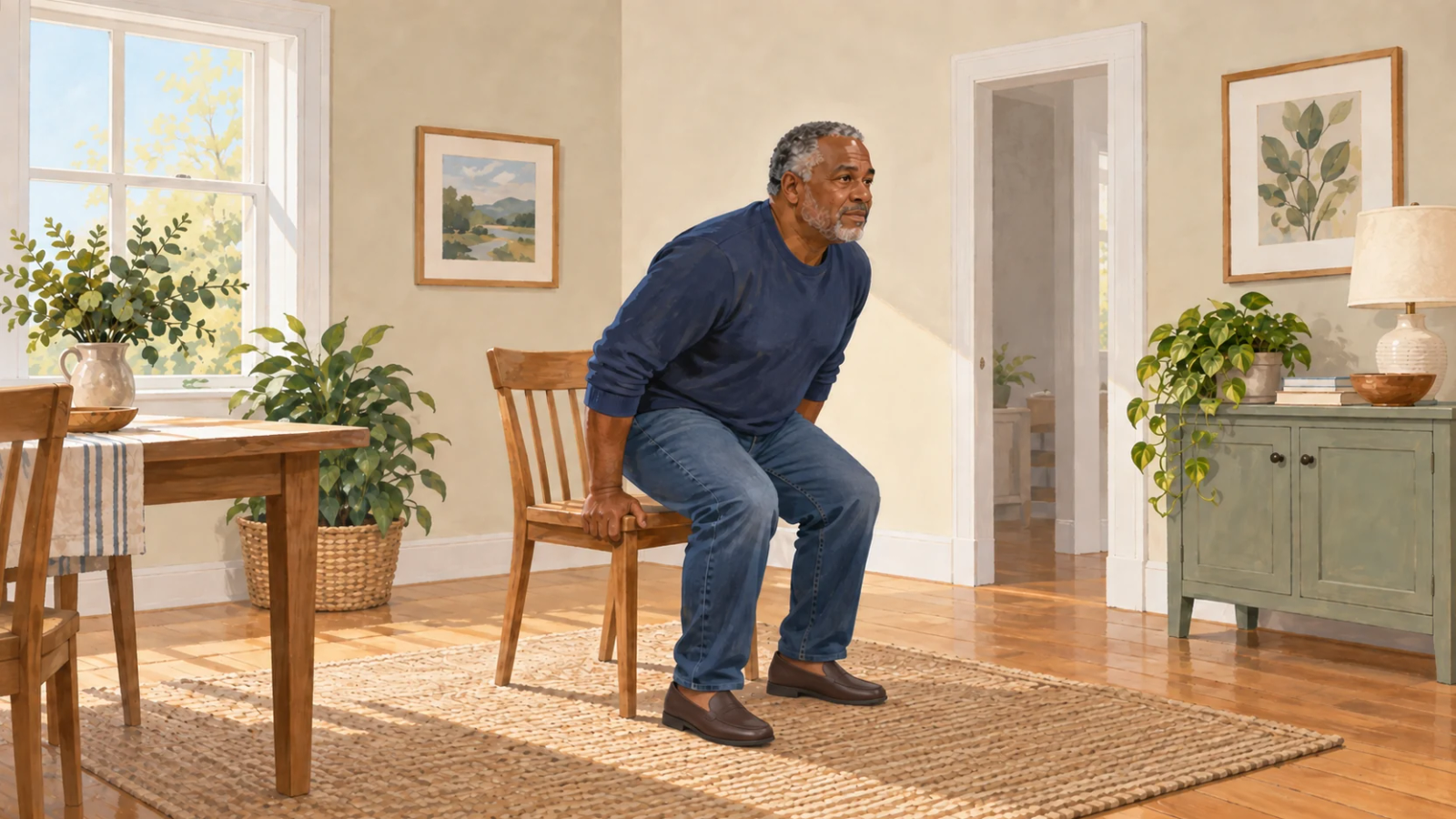
Your weight has barely changed, but lifting a suitcase feels harder. Or you have lost weight while becoming stronger at the gym. Neither experience is a contradiction: the scale measures your total weight, while muscle health includes what your body can do.
To understand a possible change in muscle, it helps to bring three things together: body composition, strength and everyday function. That combination is much more informative than a single “muscle” number on a smart scale.
Muscle size and strength are related, but different
In the Health, Aging and Body Composition study, researchers followed 1,880 older adults for three years. Strength declined faster than the amount of lean tissue in the legs. Gaining lean tissue did not necessarily mean gaining or preserving strength. [1]
This makes sense in daily life. Carrying a bag, getting out of a chair and walking steadily involve strength, coordination, balance and endurance. Pain or a heart or lung problem can also make a familiar task harder. A useful assessment asks what explains the change in your ability.
Measurement | What it adds |
|---|---|
Body weight | Shows a change in total weight, including fat, muscle and fluid. |
Body composition | Estimates the different tissues that make up that weight. |
Strength | Shows how much force you can generate in a standardized task. |
Physical function | Shows how you manage activities such as walking or rising from a chair. |
The measurements complement one another. None alone explains the full picture. [2] [3]
What body-composition tests measure
DXA, sometimes called DEXA, uses X-rays to estimate fat, lean soft tissue and bone mineral content. Lean tissue includes muscle, but also fluid and other tissue. The arm and leg measurements are useful indicators of muscle quantity; they do not directly measure strength. [3]
Bioelectrical impedance, or BIA, uses the body’s electrical properties and calculation formulas to estimate its compartments. Some home scales use this method. Hydration, meals, recent activity, the device and its equations can all influence the result. A display labeled “muscle” is an estimate rather than a direct picture of muscle fibers. [3]
Both methods can help when used consistently. Keep the full report, and try to repeat measurements under comparable conditions with suitable equipment. A small difference between reports may reflect the measurement rather than a true change in tissue. [4]
When clinicians talk about sarcopenia
Sarcopenia is a muscle disorder involving reduced strength and muscle quantity or quality. It becomes more common with age, but a birthday or one low scale reading does not establish the diagnosis.
The European assessment framework begins with low strength, then uses muscle quantity or quality to confirm the problem. Poor physical performance helps identify greater severity. Other international frameworks make somewhat different choices about the criteria and populations they apply to. [2] [5] [6]
You do not need to memorize the definitions. What matters is that the clinician uses appropriate criteria and explains how the measurements fit your age, health and abilities.
Bring the everyday change to the appointment
Describe when the difficulty began and what feels different: familiar stairs, your usual shopping bag, getting up from a chair. Mention recent illness, reduced activity, appetite changes and medicines. Previous reports can help establish a pattern.
The assessment may include a grip-strength test, timed chair rises or walking. Technique matters, and so does context: hand pain, for example, can lower a grip result. A reassuring body-composition report should not dismiss steadily worsening ability. [2]
Persistent weakness, repeated falls or unintentional weight loss deserve medical attention. A rapid decline needs prompt assessment. Sudden weakness, particularly on one side or with difficulty speaking, can be a stroke: call 911 in the United States immediately. [11]
Build strength with an achievable plan
Resistance exercise asks muscles to work against a suitable load, such as weights, bands or body weight. It is a central part of care for diagnosed sarcopenia. The load and movements should fit your current ability and progress as they become easier. Pain, illness or fall risk can make professional guidance especially useful. [8]
For adults generally, World Health Organization guidance includes strengthening the major muscle groups on at least two days each week, alongside aerobic activity. Older adults also benefit from attention to balance and the strength used in everyday tasks. These are general goals to adapt to the person. [7]
Nutrition supports the work. Adequate energy and protein matter, especially when appetite, illness or practical difficulties reduce intake. A clinician or dietitian can identify what is missing and help create a realistic food plan. Protein supplements may meet a defined need, but they do not replace exercise or an assessment of why strength is declining. [8]
What improvement can look like
The SPRINTT trial studied people aged 70 or older with low lean mass and impaired physical performance. A program combining activity, monitoring support and nutrition counseling helped reduce the study’s outcome of mobility disability or death in the group with greater initial impairment: about 47 in 100 people reached that outcome, compared with 53 in 100 receiving healthy-aging education, over an average of a little more than two years. [9]
The less-impaired group did not show a clear benefit. Recorded falls were also more common in the intervention group with greater impairment. The lesson is encouraging but practical: a carefully tailored program can protect useful ability, and it needs attention to safety. These findings do not promise the same effect for every person in midlife.
Measure progress in things that matter to you
Choose a recognizable goal: standing up more easily, carrying what you need, returning to a favorite activity or walking farther comfortably. Pair it with a suitable repeat strength or function test. Body composition can contribute, but it should not become the only definition of success.
At Healthy Longevity Clinic, our approach to staying healthy and active connects these measurements with daily life. Our body-composition and muscle-strength service information for Prague describes the assessment; ask which method and functional tests are appropriate at your chosen clinic. [10]
At follow-up, discuss what feels easier, whether comparable measurements support that improvement and whether the plan still fits your circumstances. Preserving muscle health is ultimately about preserving the freedom to keep doing what matters.
What remains uncertain
Body-composition estimates depend on the method and testing conditions. Diagnostic criteria also vary by population. The mobility trial involved adults aged 70 or older with significant limitations, so its results do not predict the same benefit in healthy midlife or isolate one part of the program.
References
- The loss of skeletal muscle strength, mass, and quality in older adults: the Health, Aging and Body Composition Study.
- Sarcopenia: revised European consensus on definition and diagnosis.
- Methodological standards for body composition assessment—an expert-endorsed guide for research and clinical applications: bioimpedance, dual-energy X-ray absorptiometry, computerized tomography, and ultrasound methods.
- Official Adult Positions: Body Composition.
- The conceptual definition of sarcopenia: Delphi Consensus from the Global Leadership Initiative in Sarcopenia (GLIS).
- A focus shift from sarcopenia to muscle health in the Asian Working Group for Sarcopenia 2025 Consensus Update.
- Physical activity: recommendations for adults and older adults, reflecting the 2020 guidelines.
- International Clinical Practice Guidelines for Sarcopenia (ICFSR): Screening, Diagnosis and Management.
- Multicomponent intervention to prevent mobility disability in frail older adults: randomised controlled trial (SPRINTT project).
- Body composition and muscle strength
- Signs and Symptoms of Stroke.
Disclosure
Prepared with AI assistance. Healthy Longevity Clinic provides body-composition and functional assessments. SPRINTT received public and industry support. The European sarcopenia consensus received an Abbott grant for its organizing society and disclosed author industry relationships.