
Healthy Longevity ClinicHealthy Longevity Science
Healthy Longevity Clinic

Measuring aging

Explore the questions behind healthy longevity. Understand the evidence, its possibilities and its limits.

5 articles

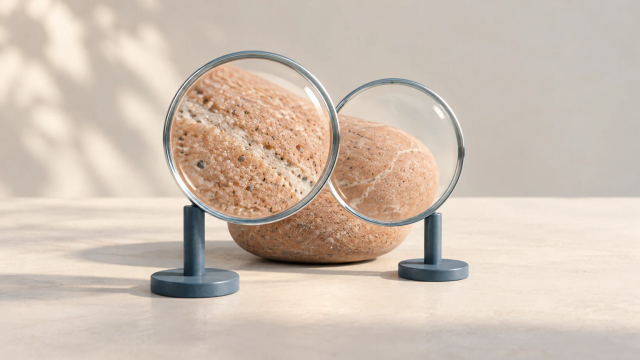
Two magnifying lenses on blue stands show different magnifications of one terracotta pebble.Measuring aging

Why biological-age tests give different answers

Biological-age tests can disagree because they measure different features of aging and compare you with different reference groups. A repeat test can also change without showing a lasting health change. In a 2026 analysis of 18 DNA-based aging measures, many were more consistent when the same sample was measured again than when fresh samples were collected. That distinction matters when interpreting your own result.

An empty MRI scanner is visible through glass behind two chairs and a table holding a closed folder.Measuring aging

Whole-body MRI: what it finds and what follows

Whole-body MRI can discover an unsuspected cancer or another important abnormality. A review of ten studies involving 9,024 people without symptoms estimated roughly 16 confirmed cancers per 1,000 people screened. That is detection, not a count of lives saved. Scans can also trigger further tests for uncertain findings, and longer life from routine screening of well, average-risk adults has not been established.

An ivory paper sculpture in the shape of a brain stands on a plinth beside a closed folder on a blue tabletop.Measuring aging

Brain MRI measurements: how to read the report

BrainKey and NeuroQuant turn brain MRI scans into measurements that can inform assessment of memory and thinking problems. They measure different features and require interpretation alongside symptoms and cognitive tests. Healthy Longevity Clinic explains brain volume, percentiles and “brain age,” showing which findings can support a care decision and why a low percentile alone is not a dementia diagnosis.

Healthy Longevity SciencePublished by Healthy Longevity ClinicEditorial approachCorrectionsResearch in context. Discuss personal medical decisions with your clinician.