
Healthy Longevity ClinicHealthy Longevity Science
Healthy Longevity Clinic

Frontiers of longevity

Explore the questions behind healthy longevity. Understand the evidence, its possibilities and its limits.

9 articles

A simplified side cutaway of an eye, with a curved inner retinal layer and an optic nerve extending from the back.Frontiers of longevity

Partial reprogramming: what the eye trial can tell us

Partial reprogramming has reached human testing. ER-100’s sponsor announced first dosing in June 2026, in an eye-disease study planning 18 adults. The trial asks first about safety; whether it improves useful vision remains unanswered. Mouse experiments provide a scientific rationale, but the human evidence dated September 21, 2026 contains no reported outcomes showing restored sight or broader rejuvenation.


An optical microscope beside an empty glass culture dish and a closed notebook on a softly lit bench.Frontiers of longevity

Longevity research: what has reached human trials?

ER-100 reprogramming, telomerase mRNA, SIRT6, TRIIM thymus regeneration, senolytics, mitochondrial transplantation, cholesterol degradation, Klotho mRNA and plasma fractions target different aspects of age-related decline. This September 2026 overview compares all nine approaches, their human or preclinical evidence, and the next useful outcomes: preserved vision, stronger immunity, tissue recovery and fewer serious illnesses. Healthy Longevity Clinic explains which developments merit attention.

A textured X-shaped model of a replicated chromosome, with four rounded end regions in muted terracotta.Frontiers of longevity

Telomerase mRNA: a promising cell result, an open clinical question

Telomerase mRNA lengthened telomeres by up to about 900 DNA building blocks in cultured human cells in a 2015 experiment. Rejuvenation Technologies is developing this approach for impaired tissue maintenance, including fibrosis. Healthy Longevity Clinic examines the potential for tissue repair, the gap between cell results and patient outcomes, and why delivery and long-term safety are central to clinical progress.

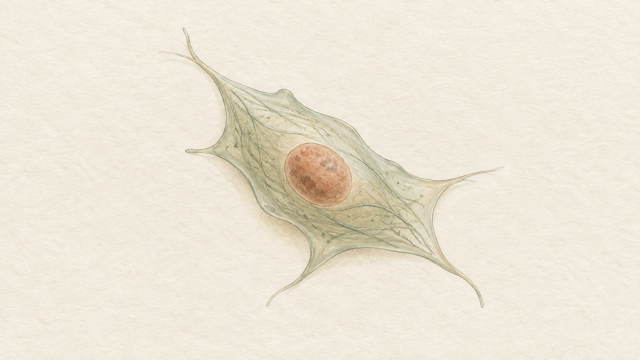
A translucent, irregularly shaped cell illustration with a rounded nucleus and fine internal strands.Frontiers of longevity

Senescent cells: remove them or change their behavior?

SENISCA is developing RNA-splicing approaches to change how senescent cells behave, with programs in lung fibrosis and skin health. Laboratory studies show that selected cell functions can recover, although DNA damage and other responses do not always improve together. Healthy Longevity Clinic compares this strategy with senolytics and asks whether it could preserve tissue function without unsafe cell growth.

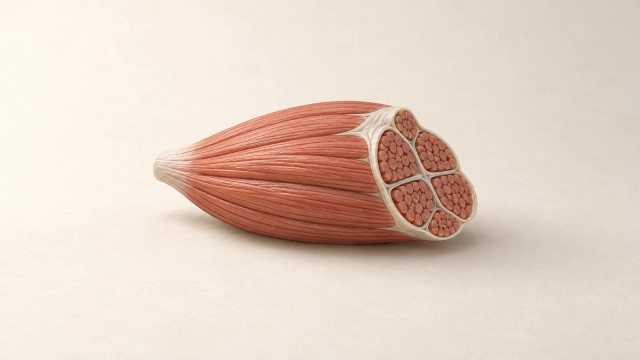
A simplified muscle bundle with a cutaway at one end showing groups of parallel fibers.Frontiers of longevity

Protecting muscle during weight-loss treatment

Semaglutide and tirzepatide can reduce lean tissue as well as fat. Exercise and adequate nutrition help make strength and independence central to weight-loss care. Bimagrumab has human body-composition results; MitoRx’s MTRX31 and Juvena’s JUV-161 explore further muscle-preserving approaches at earlier stages. Healthy Longevity Clinic compares what the findings mean for physical function, beyond a lower number on the scale.

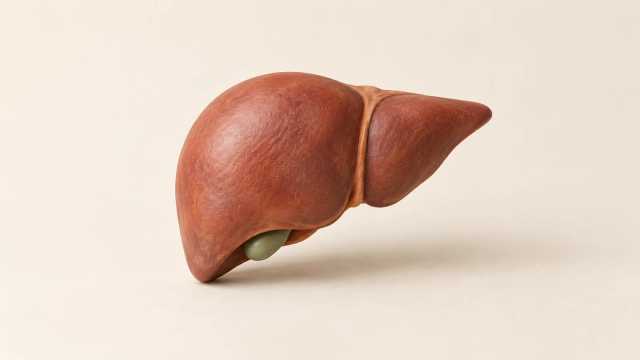
A simplified terracotta-colored liver model on a pale textured background.Frontiers of longevity

Cholesterol degradation: can it shrink artery plaque?

Artery plaque can shrink. Established cholesterol-lowering treatment reduces cardiovascular events and has produced modest plaque shrinkage in human imaging trials. Repair Biotechnologies is investigating a different approach: helping liver cells process excess cholesterol. Its mouse findings support further research, but do not establish how much human plaque would shrink, whether heart attacks would fall, or whether the treatment is safe in people.

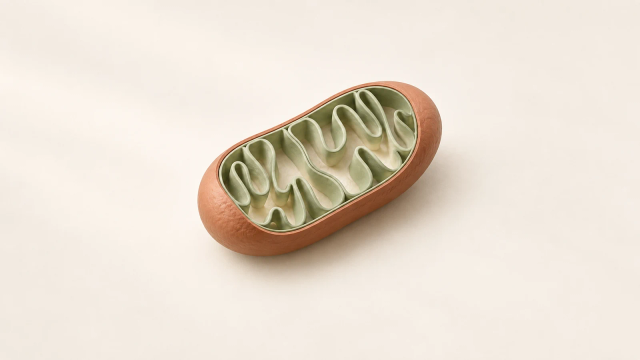
An oval mitochondrion model cut open to show folds of its inner membrane.Frontiers of longevity

Mitochondrial transplantation: human studies and Mitrix Bio

Mitochondrial transplantation has produced encouraging early heart-recovery findings. In one small comparison, 8 of 10 treated children came off heart-lung support for at least a week, versus 4 of 14 controls. Mitrix Bio is developing separate infusion and bioreactor programs. Healthy Longevity Clinic examines the prospects for recovery, physical capacity and independence, and the evidence each approach still needs.

Healthy Longevity SciencePublished by Healthy Longevity ClinicEditorial approachCorrectionsResearch in context. Discuss personal medical decisions with your clinician.